Can ESL Speaking Activities Be Adapted for Shy Students? A Teacher's Guide
Can ESL Speaking Activities Be Adapted for Shy Students?
What Are Effective ESL Speaking Activities for Shy Students?
Effective speaking activities for shy students are those that reduce social pressure by shifting the focus from the "performer" to the "task." Shy learners often suffer from "foreign language anxiety," where the fear of making mistakes in front of an audience paralyzes them. Therefore, the most suitable activities are structured, low-stakes, and collaborative rather than competitive.
Activities like "Information Gaps," where typically one student has information the other needs, work exceptionally well because they create a genuine purpose for communication without the spotlight of a whole-class presentation. Similarly, "Think-Pair-Share" allows students to formulate their thoughts individually and test them with a single partner before sharing with the larger group. These methods validate the student's need for processing time and provide a safety net.
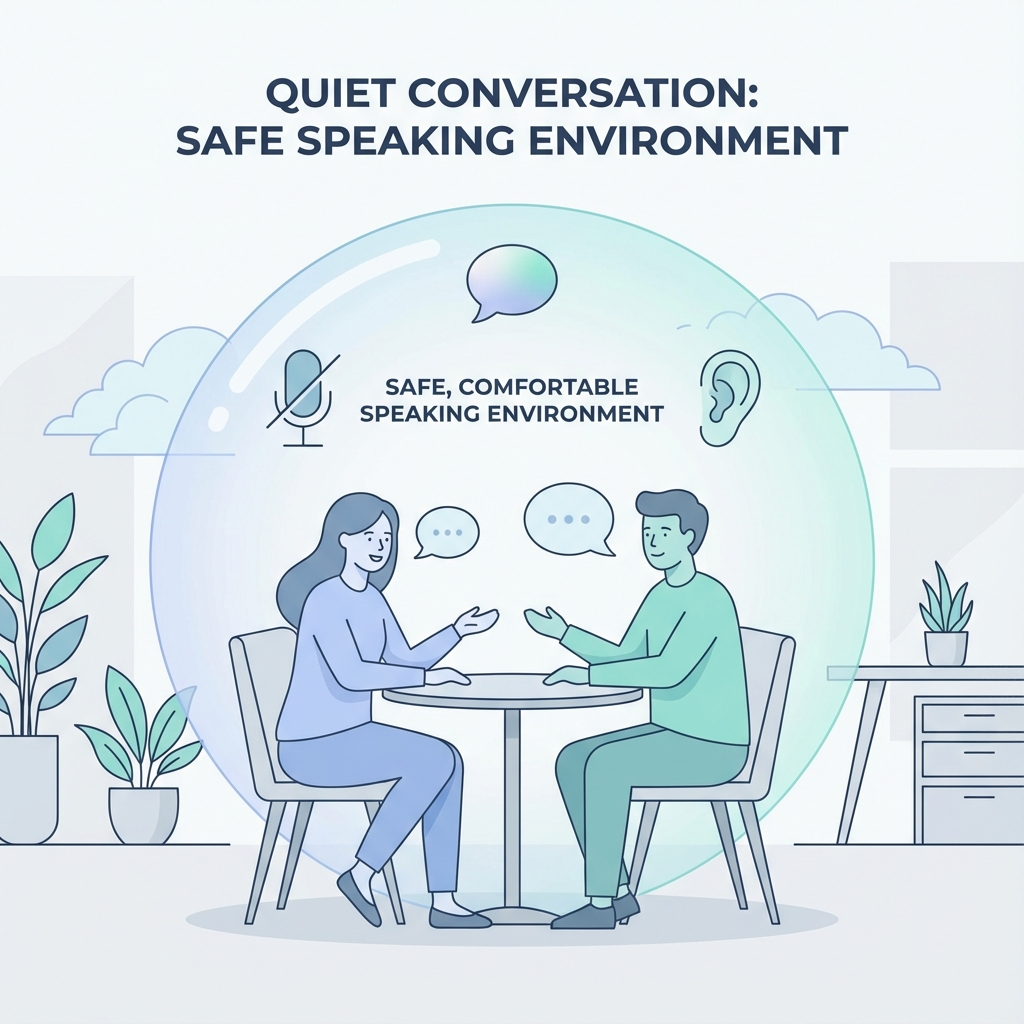
Pair work provides a safe environment for shy students to practice speaking.
How Can Teachers Adapt Speaking Exercises for Introverted ESL Learners?
Teachers can adapt speaking exercises for introverts by replacing impromptu speech with prepared speech and reducing group sizes. Introverted students often recharge in solitude and find large group interactions draining, which is distinct from shyness (fear of social judgment), but both types benefit from similar adaptations.
To reduce intimidation, techniques like providing "scaffolding" — sentence starters, vocabulary lists, or scripted dialogues — are essential. Instead of asking a shy student "What do you think about climate change?", a teacher might provide three opinion statements and ask the student to read the one they agree with most. This modification lowers the cognitive load and the risk of "blanking out." Additionally, using gamified elements can distract from the anxiety of speaking.
What Role Does Classroom Environment Play?
A supportive classroom environment is the foundational requirement for helping shy ESL students speak. If the atmosphere allows for mockery or impatience, no amount of activity adaptation will succeed. Teachers must establish a "mistake-friendly" zone where errors are viewed as learning opportunities rather than failures.
Classroom management techniques such as "Wait Time" (waiting 3-5 seconds after asking a question) are crucial. Research shows that increasing wait time leads to longer and more complex answers from all students, particularly quiet ones who need more time to formulate their thoughts in a second language. Furthermore, arranging desks in small clusters rather than rows helps facilitate the peer support necessary for shy learners to engage.
How Can Togetherness and Pair Work Build Confidence?
Pair work benefits shy ESL learners by creating a "private" speaking space within the public classroom. Speaking to one peer is exponentially less terrifying than speaking to twenty. In pairs, the "affective filter" (the emotional barrier to learning) is lowered, allowing students to experiment with language more freely.
Teachers can gradually involve shy students in group tasks by using a "Snowball" technique: start with individual reflection, move to pair discussion, merge pairs into groups of four, and finally share with the class. This gradual increase in audience size desensitizes the student to the act of speaking. Peer support is also vital; pairing a shy student with a patient, encouraging partner can act as a bridge to wider participation.
Modifying Role Play for Shy Students
Role play can be adapted for shy students by assigning roles that require less improvisation or by using puppets and avatars. Acting "as" someone else can be liberating for a shy student because it detaches the performance from their personal identity — if the character makes a mistake, it's the character's fault, not theirs.
Can Technology Aid Shy Students in Speaking?
Technology can significantly aid shy students by offering asynchronous speaking opportunities and anonymous participation. Tools that allow students to record their voice in private, such as the voice recording features in ZenGengo, enable them to record, listen, re-record, and submit only when they are satisfied. This removes the pressure of "real-time" performance.
For even lower pressure, AI-powered tools like Your Teacher AI allow students to converse with a non-judgmental bot. This provides unlimited practice time without the fear of embarrassing themselves in front of a human. Additionally, digital icebreakers using platforms like Quizizz allow for participation without verbalizing, warming students up to the lesson topic.
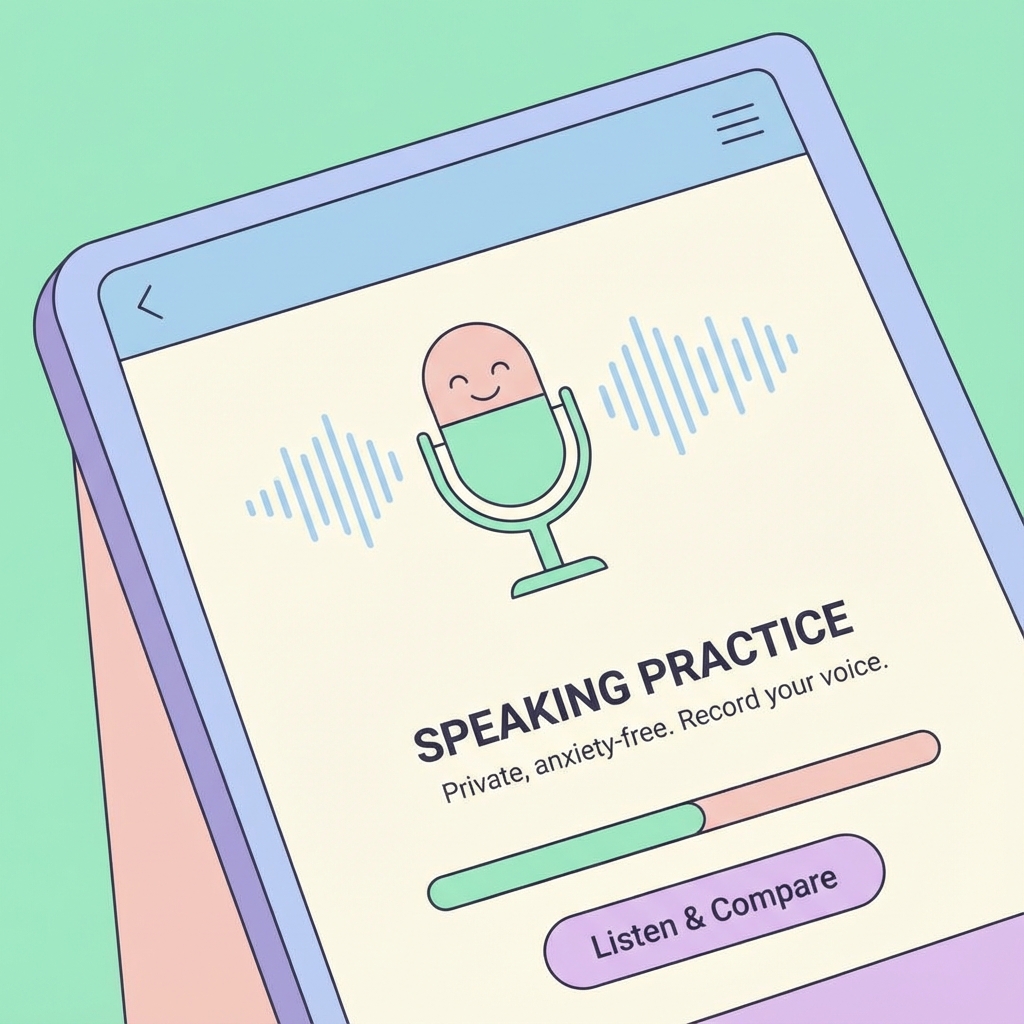
Technology offers a judgment-free zone for initial speaking practice.
How Can Teachers Assess Speaking Skills in Shy Students?
Teachers can assess speaking skills in shy students through observational assessment and one-on-one reviews, rather than public presentations. The challenge shy students face is that their silence is often mistaken for a lack of knowledge or proficiency. Standard oral exams can measure anxiety more than actual language ability.
Alternative assessment strategies include accepting audio or video recordings as submissions for speaking grades. Formative assessment can be done by circulating during pair work and taking notes on the shy student's performance when they are comfortable. This approach respects their temperament while ensuring they meet the learning objectives.
Further Reading and Resources
Helping shy students find their voice is one of the most rewarding aspects of teaching ESL. For more strategies and tools, check out:
- How to Create an Inclusive ESL Environment
- Effective Warm-Up Activities for Beginners
- Gamification in ESL
About the Author
Thomas Gueguen is a CELTA-certified English coach and the founder of The English Workshop. With over 12 years of teaching experience, he is an expert in TOEIC, IELTS, and TOEFL preparation, guiding students to a 98% success rate. Thomas is also the author of popular English learning guides, including "TOEIC - Le coach". He leverages his former corporate marketing background at companies like Bouygues and Veolia to help professionals use English to advance their careers.
Connect on LinkedInGet the Latest ESL Resources Delivered to Your Inbox
Join 10,000+ ESL teachers who receive our weekly newsletter featuring:
- Curated teaching materials and lesson plans
- Latest ESL tools and resources
- Teaching tips and best practices
- Exclusive content and early access to new resources
Frequently Asked Questions
Have more questions? Check out our ESL Teaching Glossary or contact us for personalized assistance.
Related Articles
Continue learning with these related ESL teaching resources
Related Resources
Explore these hand-picked resources that complement this article
Learning Objectives:
- •Create interactive digital assignments
- •Assess all four language skills
- +2 more objectives
New to ESL Teaching?
Check out our comprehensive glossary of ESL teaching terms and concepts.
Browse ESL Glossary