How to Assess Progress with ESL Worksheets: A Teacher's Guide
How to Assess Progress with ESL Worksheets: A Teacher's Guide
Well-designed worksheets do more than fill class time—they uncover what learners understand, diagnose gaps, and guide your next steps. When you approach worksheets as assessment tools, you transform them into a feedback loop that keeps students growing.
This guide outlines how to set clear objectives, select the right worksheet type, gather evidence, and deliver targeted feedback that motivates learners.
Start with SMART Learning Objectives
Assessment begins with clarity. Define exactly what learners should demonstrate by the end of a lesson or unit. Use SMART criteria (specific, measurable, achievable, relevant, time-bound) so each worksheet checks progress toward a tangible outcome.
Match Worksheet Types to the Assessment Stage
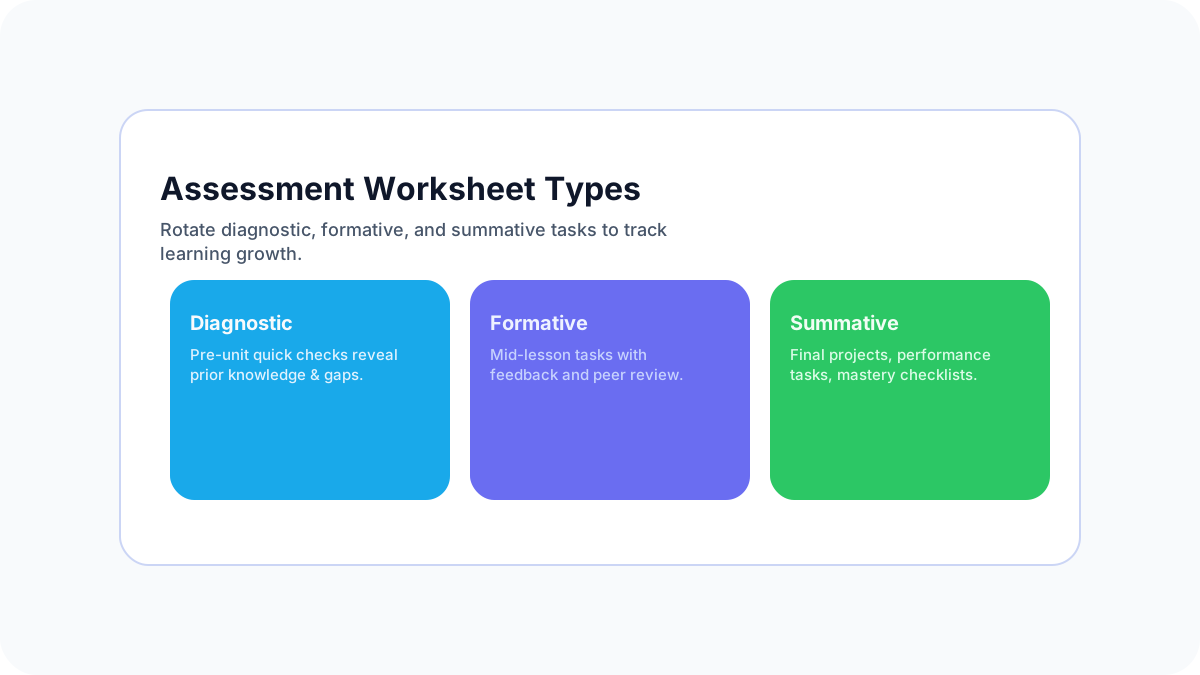
Vary worksheets throughout a unit so you gather data at different points.
- Diagnostic worksheets: Pre-unit tasks that reveal prior knowledge and misconceptions.
- Formative worksheets: In-lesson activities that monitor understanding and provide opportunities for feedback.
- Summative worksheets: Culminating tasks that capture mastery and feed into grades or progress reports.
Track Progress Consistently
Use simple systems to make evidence visible.
- Checklists: Record completion, accuracy, and confidence levels for quick snapshots.
- Spreadsheets or dashboards: Log scores and notes so patterns emerge across weeks.
- Learning journals: Ask students to reflect on what they mastered and where they still need support.
"The purpose of assessment is not to rank students, but to help them learn." — Grant Wiggins
Deliver Feedback that Moves Learning Forward
Feedback is most powerful when it is specific, constructive, and timely.
- Be specific: Highlight exact strengths and pinpoint the next improvement target.
- Be constructive: Frame corrections as opportunities, offering models or prompts for revision.
- Be timely: Return worksheets quickly so students can apply feedback while the lesson is fresh.
Video: ESL Assessment — Top 5 Tips
Adjust Instruction Based on Evidence
Let worksheet data inform your planning. If multiple students stumble on the same skill, reteach it with a new approach. If mastery is clear, extend the learning with challenges or projects.
Action Steps for This Week
- Choose one diagnostic, one formative, and one summative worksheet for your current unit.
- Create a quick tracking template to log results and note next steps.
- Plan a feedback routine that combines written comments with short conferences or recorded messages.
About the Author
Thomas Gueguen is a CELTA-certified English coach and the founder of The English Workshop. With over 12 years of teaching experience, he is an expert in TOEIC, IELTS, and TOEFL preparation, guiding students to a 98% success rate. Thomas is also the author of popular English learning guides, including "TOEIC - Le coach". He leverages his former corporate marketing background at companies like Bouygues and Veolia to help professionals use English to advance their careers.
Connect on LinkedInGet the Latest ESL Resources Delivered to Your Inbox
Join 10,000+ ESL teachers who receive our weekly newsletter featuring:
- Curated teaching materials and lesson plans
- Latest ESL tools and resources
- Teaching tips and best practices
- Exclusive content and early access to new resources
Frequently Asked Questions
Have more questions? Check out our ESL Teaching Glossary or contact us for personalized assistance.
Related Articles
Continue learning with these related ESL teaching resources
Part of these learning paths:
Related Resources
Explore these hand-picked resources that complement this article
New to ESL Teaching?
Check out our comprehensive glossary of ESL teaching terms and concepts.
Browse ESL Glossary