Top 10 ESL Worksheets for Beginners in 2025
Top 10 ESL Worksheets for Beginners in 2025
Beginner learners need repetition, clear structure, and quick wins. The right worksheets provide a roadmap for mastering foundational vocabulary, grammar, and communication skills while giving teachers evidence of progress.
This curated list highlights ten worksheet types that anchor a successful beginner course, with tips on how to implement them and where to find high-quality downloads.
Why Worksheets Matter for Beginners
At A1-A2 levels, learners rely on guided practice to internalize language patterns. Worksheets reinforce classroom input, help students see progress on paper, and provide tangible references to revisit at home.
"For the things we have to learn before we can do them, we learn by doing them." — Aristotle
Criteria for Selecting Effective Worksheets
Before adding a worksheet to your beginner toolkit, check it against these criteria:
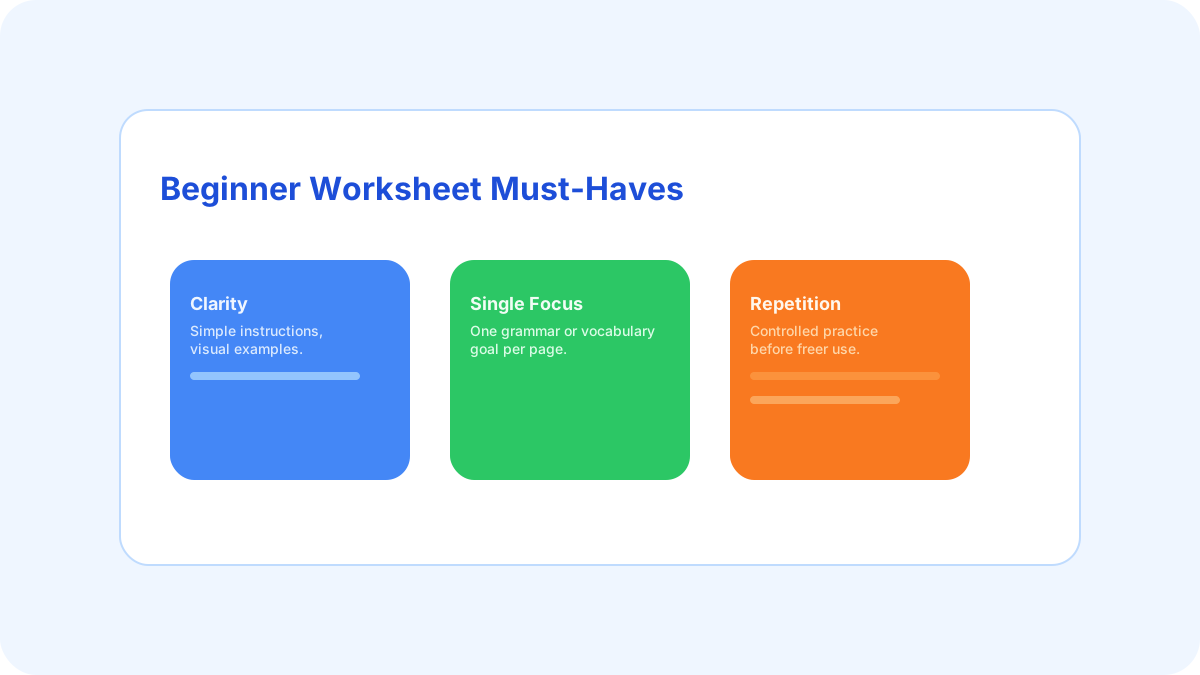
- Clear instructions: Short, simple prompts paired with examples or visuals.
- Strong visuals: Icons, pictures, or color coding that support comprehension.
- Single focus: Each worksheet should target one skill or language point.
- Variety: Offer different activity types to keep lessons lively while reinforcing the same concept.
Top 10 Worksheet Types for Beginners
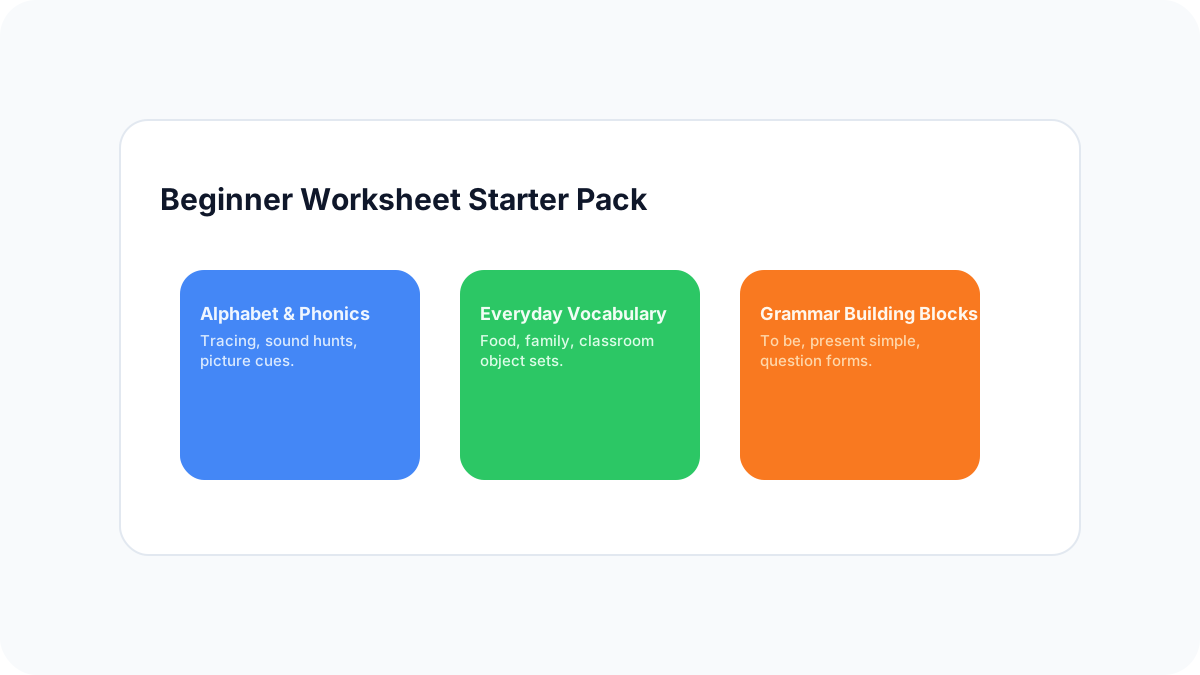
- Alphabet and phonics drills: Letter tracing, sound recognition, and simple spelling tasks.
- Numbers and counting sheets: Matching numerals to words and practicing basic math phrases.
- Colors and shapes practice: Coloring tasks and sorting games that build descriptive language.
- Core vocabulary sets: Themed worksheets on family, food, classroom items, and daily routines.
- Verb "to be" practice: Fill-in-the-blank exercises that anchor essential sentence patterns.
- Present simple routines: Sentence-building worksheets focusing on habits and timetables.
- Articles (a/an) drills: Quick recognition tasks using pictures and short phrases.
- Prepositions of place maps: Labeling activities with rooms, furniture, or city layouts.
- Question-and-answer prompts: Dialog completion and role-play cards for simple conversations.
- Telling time practice: Clock-matching worksheets and mini dialogues about schedules.
Tips for Classroom Use
- Balance control and communication: Follow up written drills with pair work or speaking games.
- Display progress: Keep completed worksheets in portfolios so learners can see growth.
- Provide feedback: Highlight successes in green before addressing mistakes in another color.
Video: How to Use Worksheets Effectively in the ESL Classroom
Download and Implementation Guide
Popular sources like Teach-This, ISLCollective, and BusyTeacher provide printable PDFs and editable versions. For online teaching, convert worksheets into fillable Google Slides or use tools like Kami for real-time annotations.
Next Steps
- Organize your top ten worksheets in a shared folder by unit and grammar point.
- Create extension activities (speaking prompts, games, or homework tasks) for each worksheet type.
- Review and refresh the set every term based on learner feedback and assessment data.
About the Author
Thomas Gueguen is a CELTA-certified English coach and the founder of The English Workshop. With over 12 years of teaching experience, he is an expert in TOEIC, IELTS, and TOEFL preparation, guiding students to a 98% success rate. Thomas is also the author of popular English learning guides, including "TOEIC - Le coach". He leverages his former corporate marketing background at companies like Bouygues and Veolia to help professionals use English to advance their careers.
Connect on LinkedInGet the Latest ESL Resources Delivered to Your Inbox
Join 10,000+ ESL teachers who receive our weekly newsletter featuring:
- Curated teaching materials and lesson plans
- Latest ESL tools and resources
- Teaching tips and best practices
- Exclusive content and early access to new resources
Related Articles
Continue learning with these related ESL teaching resources
Part of these learning paths:
Related Resources
Explore these hand-picked resources that complement this article
New to ESL Teaching?
Check out our comprehensive glossary of ESL teaching terms and concepts.
Browse ESL Glossary